Reliable Creature Removal: Shield Your Home and Land
Effective animal control is crucial for property owners facing potential threats from animal intrusions. These intrusions can lead to substantial structural harm and health risks. Identifying the importance of addressing wildlife issues is necessary. Comprehending the indicators and knowing when to seek expert assistance can prove invaluable. But what are the most frequent wildlife intruders, and how can one effectively protect against them? The answers may surprise you.
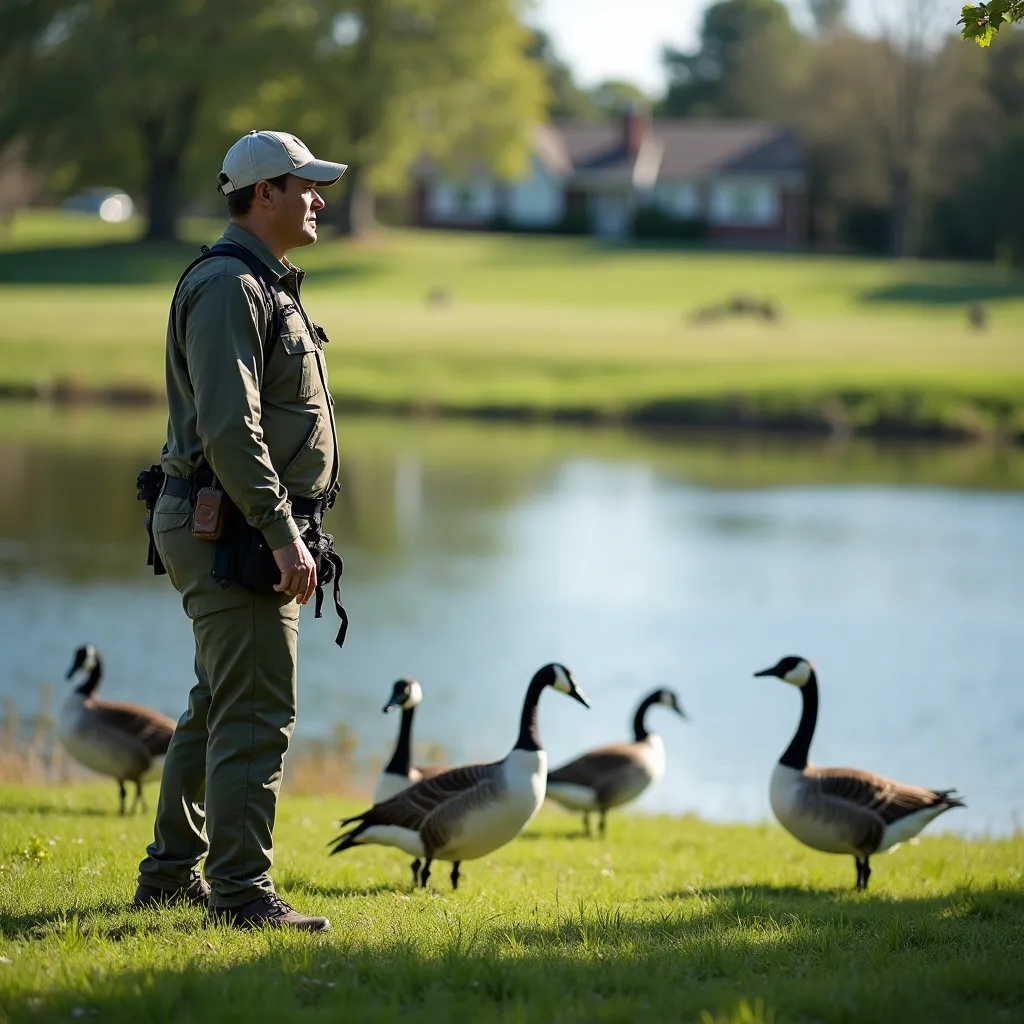
The Necessity of Acting Quickly to Animal Encroachments
Wildlife incursions can escalate quickly, leading to significant damage and health risks. When animals invade residential areas, they can compromise structural integrity, gnaw on wiring, and taint food sources. Furthermore, the presence of wildlife can spread diseases, threatening serious health threats to both humans and pets. Prompt action is vital to lessen these risks and stop further complications.
Disregarding the issue may lead to expensive repairs and substantial restoration work. Furthermore, some organisms can multiply quickly, expanding their numbers and exacerbating the situation. Timely intervention not only protects property but also ensures a more secure habitat.
Engaging skilled removal specialists can offer practical remedies customized for unique creature difficulties. Timely action is crucial to regain tranquility and protect residences from the erratic behavior of wildlife trespassing. Ultimately, rapid intervention strategies can markedly diminish the possibility of enduring destruction and safety risks linked to these intrusions.
Indicators That You Have a Wildlife Problem
How can an individual determine if a animal problem is nearby in the vicinity? Various clues can suggest the presence of unwanted creatures. Property owners may hear odd noises, including scratching or rustling noises, particularly during nighttime. Moreover, droppings or tracks may surface on the property, showing the kind of animals present. Deterioration to materials, electrical lines, or wooden structures can likewise suggest an intrusion, as many creatures seek protection in attics or basement areas.
An additional indicator includes gnawed food wrapping or tipped garbage, suggesting foraging behavior. Furthermore, openings or burrows near the base may suggest entry points for pests. Unexplained odor, often linked to habitation or waste, can be a significant red flag. Identifying these indicators early is essential for effective control and prevention, guaranteeing that residents can take appropriate steps before the situation escalates.
Primary Strengths of Professional Wildlife Removal Services
Engaging professional wildlife removal services offers numerous perks for homeowners experiencing unwanted animal intrusions. Chiefly, experts demonstrate specialized knowledge and experience, providing safe and effective removal of wildlife without causing harm to the animals or the property. These professionals implement cutting-edge methods and tools, which can manage complex situations that homeowners might not be qualified to handle.
Moreover, expert providers often deliver thorough inspections to identify possible access areas, assisting in avoiding subsequent invasions. This preventative strategy not only reduces pressing issues but also safeguards the home over time. Furthermore, many animal control services offer warranties or guarantees, providing homeowners peace of mind.
Lastly, depending on professionals reduces the danger of injury from wildlife encounters, ensuring a safer setting for families and animals. Overall, investing in professional wildlife removal can save time, anxiety, and potential structural harm.
Recognizing Frequent Wildlife Trespassers in Your Home
Property owners often face various types of wildlife that can intrude upon their living spaces, each creating distinct problems. Typical invaders consist of raccoons, squirrels, and rodents, which can cause damage if not handled promptly. Raccoons are famous for pillaging attics and basements, drawn to food sources or shelter. Squirrels often nest in roofs or eaves, creating potential structural damage. Rodents, such as mice and rats, can invade homes in search of food, leaving behind droppings and polluting living areas.
Furthermore, avians may get in through uncovered vents and chimneys, creating noise and mess. Each type poses particular dangers, such as disease transmission and property damage. Recognizing the indicators of these invasions—such as droppings, nest debris, or scratching noises—can help homeowners take quick measures. Prompt recognition is essential in preventing further complications and maintaining a safe, healthy home space.
DIY against Professional: What Choice Suits You?
When evaluating animal control, individuals often compare the advantages of DIY methods versus professional services. Cost, safety, and sustained results are important considerations affecting this choice. Comprehending these aspects can assist homeowners formulate an informed choice that most effectively meets their requirements.
Budget Aspects For Extraction
Choosing between do-it-yourself wildlife removal and employing a specialist can significantly impact both duration and expenses. Self-managed strategies often seem cost-effective, as they typically involve minimal upfront expenses, such as purchasing traps or deterrents. related resource Yet, concealed expenses may occur from possible destruction or recurrent invasions. On the other hand, professional services tend to have a greater upfront cost but provide skill, promptness, and assured outcomes. Professionals have the required equipment and expertise to handle a range of animals safely and effectively, potentially saving homeowners from costly mistakes. Ultimately, the decision rests on specific situations, including budget, urgency, and the complexity of the wildlife issue at hand. Assessing these elements helps ensure a better choice.
Safety and Health Risks
Taking part in wildlife removal presents important safety and health risks, especially when people attempt it without help. Untrained persons may face aggressive animals, causing potential injuries or bites. Also, many wildlife species contain diseases like rabies, hantavirus, or leptospirosis, imposing significant health dangers to those not properly prepared to address them. Improper handling can lead to contact with parasites such as fleas or ticks, further threatening health. On the other hand, professional animal removal experts come with the training, tools, and knowledge to reduce these risks effectively. They observe safety protocols, protecting both animals and humans. In summary, the skills of professionals reduce the likelihood of accidents and health complications connected to wildlife removal.
Long-Term Success Elements
The enduring success of pest control methods depends upon various factors, especially when comparing DIY methods with expert solutions. DIY approaches frequently lack the expertise and tools required for thorough removal and prevention, resulting in repeated pest problems. Homeowners may inadvertently overlook access areas or neglect to identify the signs of a larger problem. By contrast, professionals have advanced expertise and knowledge, allowing them to recognize and resolve problems more efficiently. They also establish preventive measures to minimize upcoming dangers. Cost considerations may push individuals toward DIY solutions, but investing in expert assistance can yield better long-term results. In the end, the decision between DIY and professional assistance should be guided by the complexity of the wildlife problem and the homeowner's commitment to funding a sustainable solution.
Efficient Strategies for Preventing Creature Encroachments
Creating effective preventative measures to reduce animal break-ins is key for establishing a secure and tranquil living space. Homeowners should initiate by protecting probable access routes. This entails sealing gaps in structural foundations, building walls, and roof structures, plus installing protective screens on air vents and chimney openings. Additionally, minimizing available food is critical; carefully managing waste and removing animal feed sources can keep wildlife at bay from approaching your property.
Landscaping carries an significant significance. Keeping trees trimmed and caring for a spotless yard limits spots where wildlife can hide. Furthermore, deploying non-toxic deterrents, including motion-sensing lights or noise devices, can effectively stop animals from entering the property.
Consistent monitoring of the home and adjacent areas permit the prompt identification of potential difficulties. Lastly, informing family members about wildlife patterns promotes awareness, enabling preventive measures to be undertaken. By adopting these approaches, homeowners can greatly reduce the probability of unwanted wildlife invasions.
What Happens During a Wildlife Removal Service?
During a animal exclusion service, technicians initiate with a thorough initial inspection to identify the degree of the problem. Following the assessment, humane trapping methods are implemented to safely capture the wildlife. Finally, post-removal prevention steps guarantee that future intrusions are decreased, defending the residence from supplementary animal troubles.
Opening Review Approach
Expert wildlife removal starts with a comprehensive assessment of your location to find signs of infestation and potential entry points. Experienced technicians systematically evaluate both the inside and outside of your property, looking for droppings, nests, or compromised insulation that shows animals are present. They also examine the structural integrity of the building, looking for openings in eaves, vents, and foundations that could provide wildlife access. This first assessment might employ specific tools to uncover concealed problems. The information gathered from this assessment plays a vital role in developing a personalized removal strategy, making sure that your solution addresses your specific wildlife problem while minimizing risks to the property and inhabitants.
Humane Trapping Techniques
Numerous animal control companies emphasize humane trapping methods to ensure the humane transfer of animals. These experts implement cage traps designed to capture wildlife safely. Normally, bait is used to lure the animal, guaranteeing it enters the trap voluntarily. After being caught, the animal is monitored to minimize stress and discomfort.
Once the creature is secured, the service assesses its condition and disposition prior to relocation. This procedure frequently includes moving the creature to a set location far from human inhabited areas, guaranteeing it can thrive in an suitable setting. Throughout this procedure, the focus remains on the well-being of the animal, adhering to local laws and moral norms. By utilizing humane trapping, services promote a harmonious relationship between humans and wildlife.
Prevention Strategies After-Removal
Once the wildlife has been successfully removed, the next critical phase emphasizes preventive action to confirm that similar issues do not develop in the future. This involves a thorough assessment of the property to locate likely access routes, such as gaps in roof structure, vents, or base structures. Blocking these openings with appropriate materials is vital to prevent future wildlife. Moreover, homeowners are encouraged to preserve a clean environment by taking away food attractions and litter that could entice wildlife. Installing barriers, such as barriers or netting, can further defend vulnerable areas. Regular care and surveillance of the property confirm that any evidence of animal intrusion are resolved without delay, preserving both home and property from future invasions.
Frequently Inquired Questions
What Local Regulations Govern Animal Control Businesses?
Local requirements for animal removal operations typically mandate licenses, compliance with humane practices, and adherence to state laws concerning particular animals. These requirements ensure the protection of each of the wildlife and the community's well-being and security.
What Methods Allow Me to Safely Ward Wildlife Away Without Causing Harm?
To humanely discourage wildlife, one can use non-lethal methods including motion-activated lights, natural repellents, and locked trash bins. Additionally, keeping areas tidy decreases food draws, prompting creatures to find alternative habitats.
Are There Specific Seasons When Wildlife Intrusions Are More Common?
Wildlife incursions tend to reach their highest point during spring and fall. Spring brings young animals seeking food, while fall often sees creatures looking for warmth and shelter, raising the likelihood of interactions with human habitats during these seasons.
What Should I Do if I Encounter Orphaned Wildlife?
When you discover young wild animals without parents, you should keep your distance while observing, avoid direct handling, and call regional wildlife organizations or rescue centers for guidance, ensuring the wildlife receive proper care and support from trained professionals.
How Should I Educate My Family About Wildlife Safety?
To inform the family about wildlife safety, one can arrange educational talks, share resources on local species, adopt protective outdoor behaviors, and promote respect for wildlife habitats, fostering awareness and respectful engagement with nature.